


In recent years, the therapeutic potential of plush toys has become a topic of increasing interest in the fields of psychology and healthcare. As a supplier of high - quality plush toys, I have witnessed firsthand the diverse ways in which these cuddly companions can play a significant role in therapy.
The Psychological Comfort of Plush Toys
Plush toys offer a unique form of psychological comfort. From a very young age, children often form strong attachments to their stuffed animals. These toys become a source of security, a constant presence in their lives. The soft texture and familiar shape of a plush toy can provide a sense of calmness and reassurance. For example, a child who is afraid of the dark might find solace in hugging a Bamboo Panda Plush Toy at night. The gentle feel of the panda's fur and its cute appearance can soothe the child's fears and help them fall asleep more easily.
In adults, plush toys can also serve as a source of comfort. People going through stressful situations, such as a breakup, job loss, or illness, may find that holding a plush toy provides a sense of emotional support. The act of cuddling a soft object can release oxytocin, a hormone associated with bonding and relaxation. This physiological response can help reduce stress and anxiety levels.
Plush Toys in Pediatric Therapy
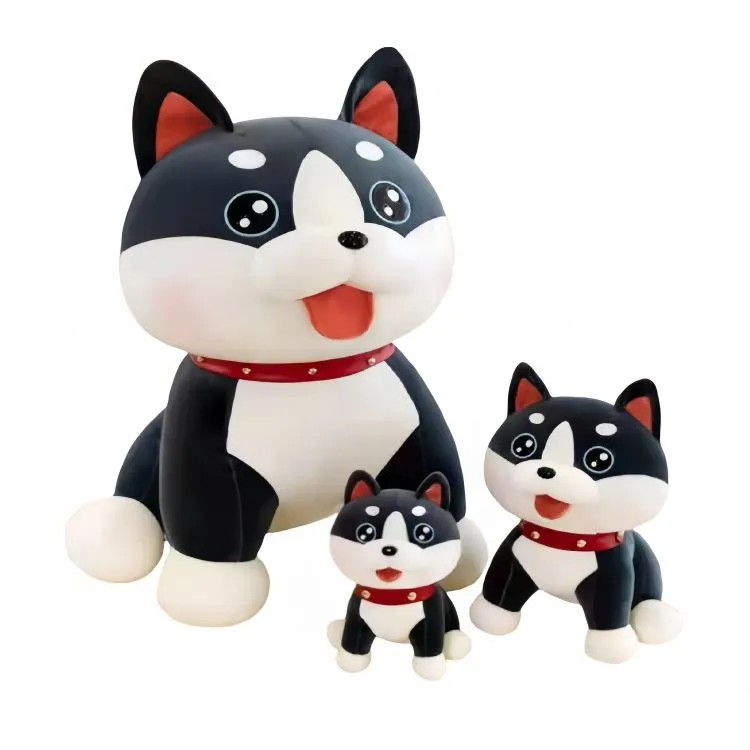
In pediatric therapy, plush toys are invaluable tools. They can be used to help children express their emotions. For instance, a child who is struggling to communicate their feelings about a medical procedure might use a Plush Husky Puppy to act out the situation. The therapist can then use this role - playing to understand the child's fears and concerns better and provide appropriate support.
Plush toys can also be used in sensory integration therapy. Children with sensory processing disorders may have difficulty with certain textures, sounds, or movements. A soft and cuddly plush toy can be a gentle introduction to different sensory experiences. The tactile sensation of touching the toy's fur, for example, can help the child become more comfortable with different textures.
Plush Toys for Elderly and People with Dementia
For the elderly, especially those with dementia, plush toys can have a profound impact. Many people with dementia experience feelings of confusion, anxiety, and loneliness. A plush toy can provide a sense of companionship. Holding a Toy Giraffe Stuffed Animal can give the individual a focus and a source of comfort. It can also trigger memories, as they may associate the toy with a past pet or a childhood experience.
Research has shown that interacting with plush toys can reduce agitation and improve mood in people with dementia. The physical act of holding and stroking the toy can be soothing, and the presence of the toy can create a more positive and calming environment.
The Role of Plush Toys in Trauma Therapy
In trauma therapy, plush toys can be used as a form of grounding. When a person has experienced a traumatic event, they may feel disconnected from their surroundings. A plush toy can serve as a tangible object that they can hold onto, providing a sense of stability. The toy can also be used as a symbol of safety and protection.
Therapists may encourage clients to use the plush toy as a way to externalize their emotions. For example, a client might write their fears or negative thoughts on a piece of paper and place it inside the toy. This process can help the client release and process their emotions in a safe and controlled way.
Our Plush Toy Offerings for Therapy
As a plush toy supplier, we understand the importance of providing high - quality products that are suitable for therapeutic use. Our plush toys are made from soft, hypoallergenic materials to ensure the safety and comfort of users. We offer a wide range of designs, from cute and cuddly animals to more unique and specialized toys.
Our Bamboo Panda Plush Toy is not only adorable but also made with high - quality materials. Its soft fur and realistic appearance make it an ideal companion for both children and adults. The Plush Husky Puppy is another popular choice, with its friendly face and soft body. And the Toy Giraffe Stuffed Animal is a great option for those looking for a unique and eye - catching toy.
Conclusion and Call to Action
In conclusion, plush toys have a significant role to play in therapy. They offer psychological comfort, can be used as tools in various therapeutic settings, and provide a source of support for people of all ages. Whether it's a child dealing with anxiety, an elderly person with dementia, or someone recovering from trauma, a plush toy can make a difference.
If you are interested in purchasing our plush toys for therapeutic use, we would be more than happy to discuss your needs. Our team is dedicated to providing the best products and services to meet your requirements. Contact us to start a conversation about your plush toy procurement.

References
- Achterberg, J., & Lawlis, G. F. (1984). Imagery and human performance. Plenum Press.
- Coelho, C., & Pachana, N. A. (2012). The use of animal - assisted therapy with older adults: A review. Journal of Aging and Health, 24(2), 211 - 235.
- Schaffer, H. R. (2004). Social and emotional development. Wiley - Blackwell.


